Explore these free materials to help your fire department increase community awareness about fire safety, get fire prevention messages into news stories, and share information about fire and other safety issues that threaten lives in your community.
Join with your fellow safety communicators to speak with “one voice” on monthly fire and life safety themes. View the message calendar.
National Preparedness
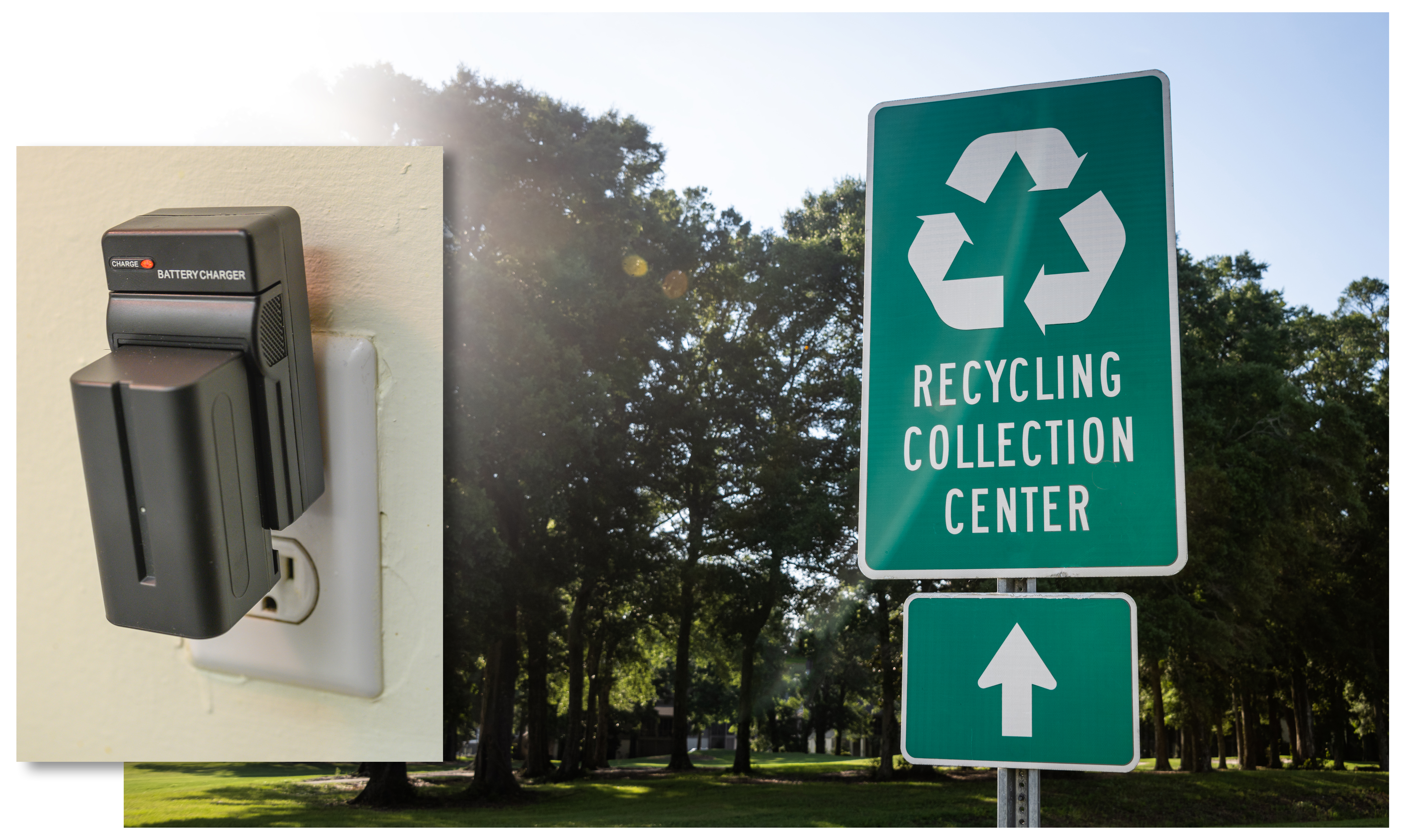
Battery fires are one of the most challenging and perplexing incidents for the fire service. The batteries also present a fire risk for your home and community. Learn how to charge and dispose of your batteries safely.
How to stay safe when charging
- Always use the charger provided by the manufacturer for the device being charged.
- Do not overload outlets. Using multiplug adapters or power strips on an outlet may result in overheating and a potential fire hazard.
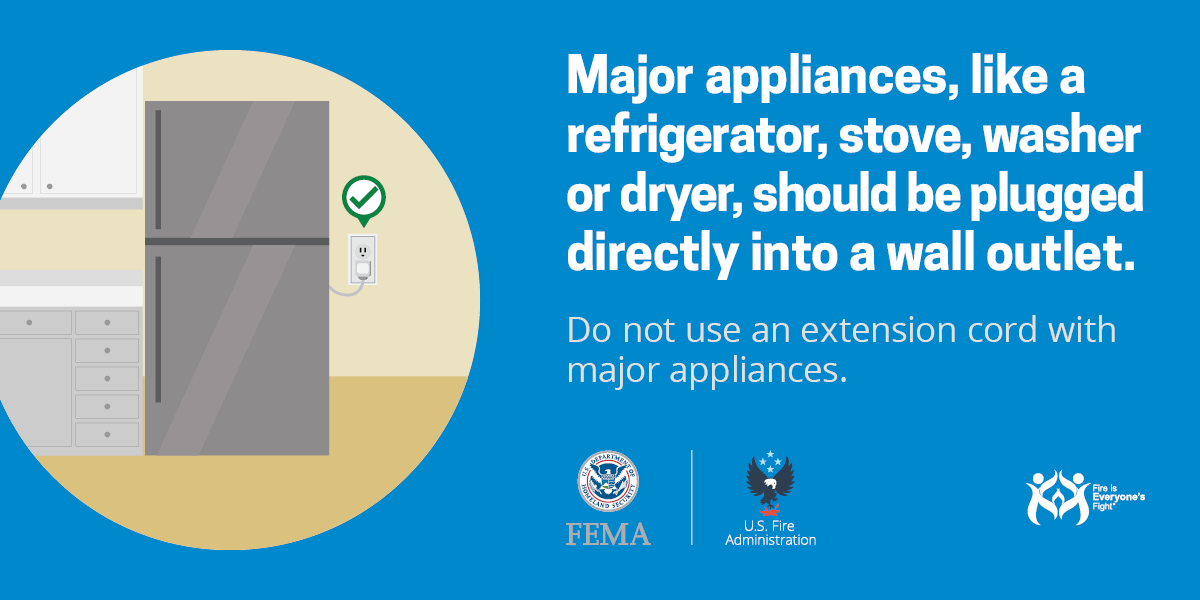
- Charging devices should be plugged directly into an outlet and not into extension cords or multiplug adapters.
- When in doubt, have a professionally licensed electrician test your existing circuits to ensure safe use.
Proper disposal of batteries
- Place tape over battery ends and terminals to help prevent accidental discharges and potential fires.
- Repairs to any lithium-ion battery packs should only be performed by a certified repair facility.
- Do not place lithium-ion batteries in trash or recycle bins as they have the potential to ignite. Locate collection sites in your community and check with your local authorities to determine proper recycling methods for used batteries.
Appliance safety
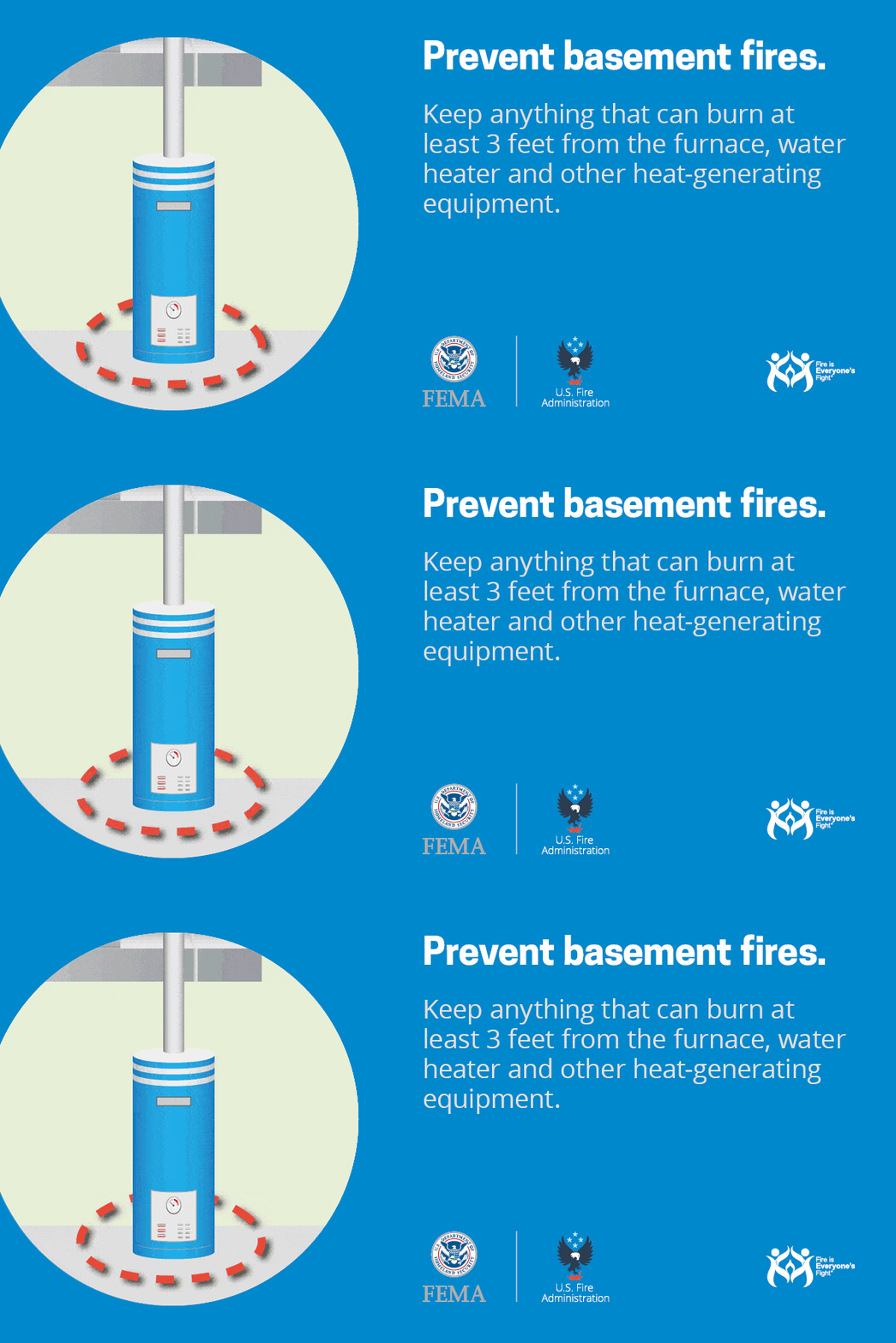
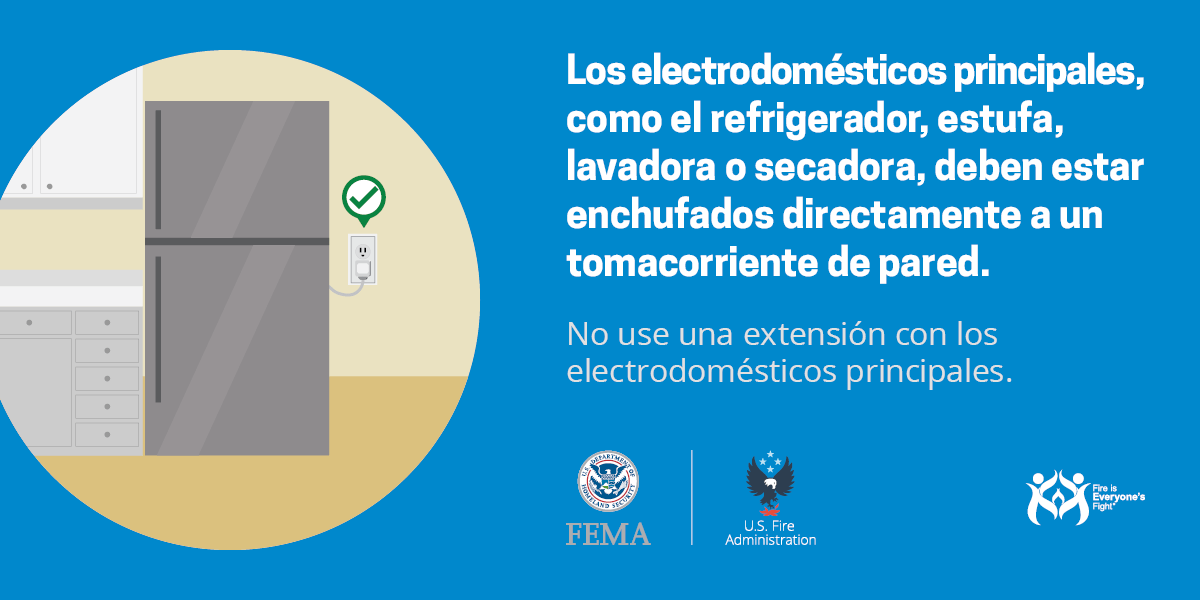
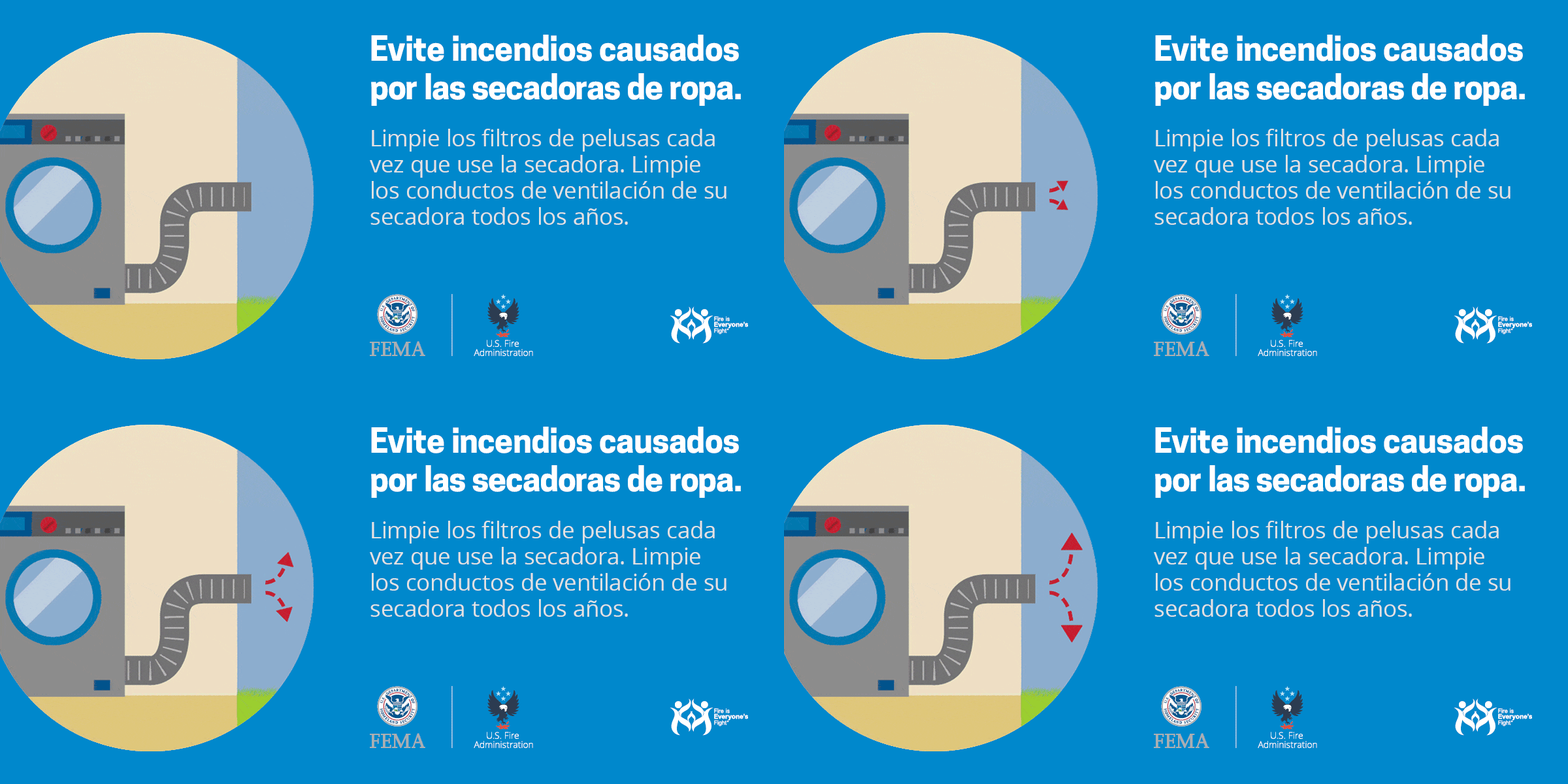
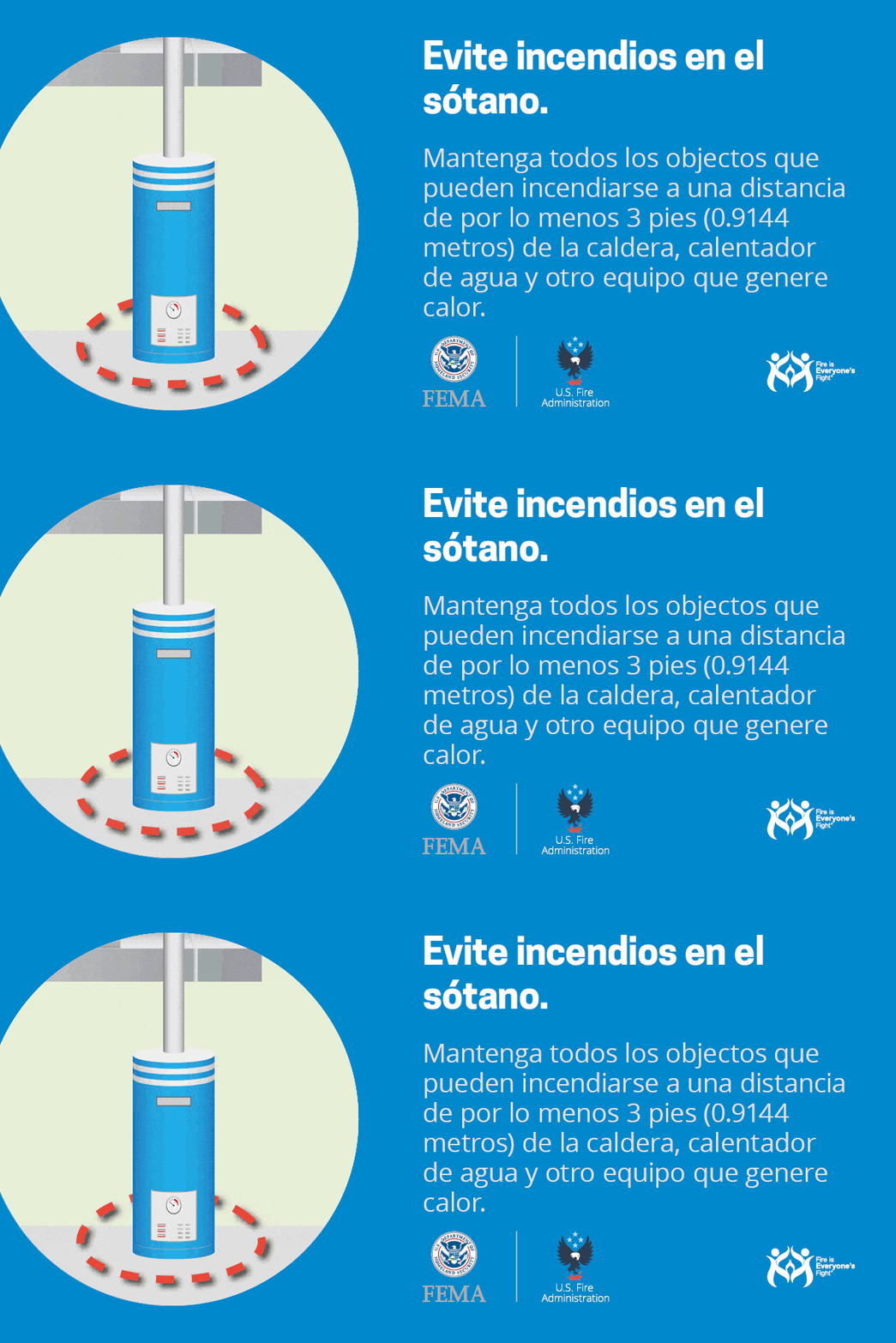

-
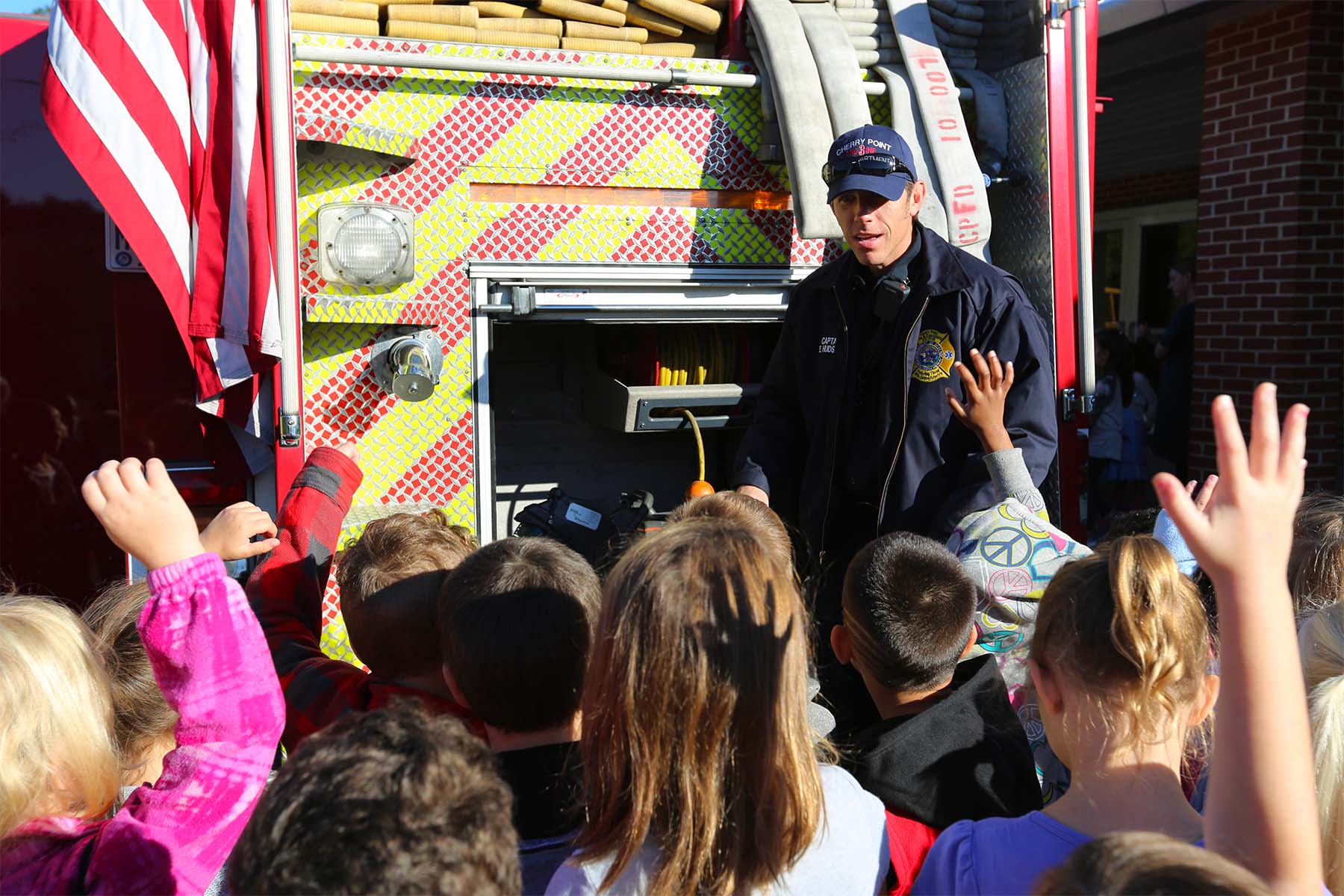
- Education
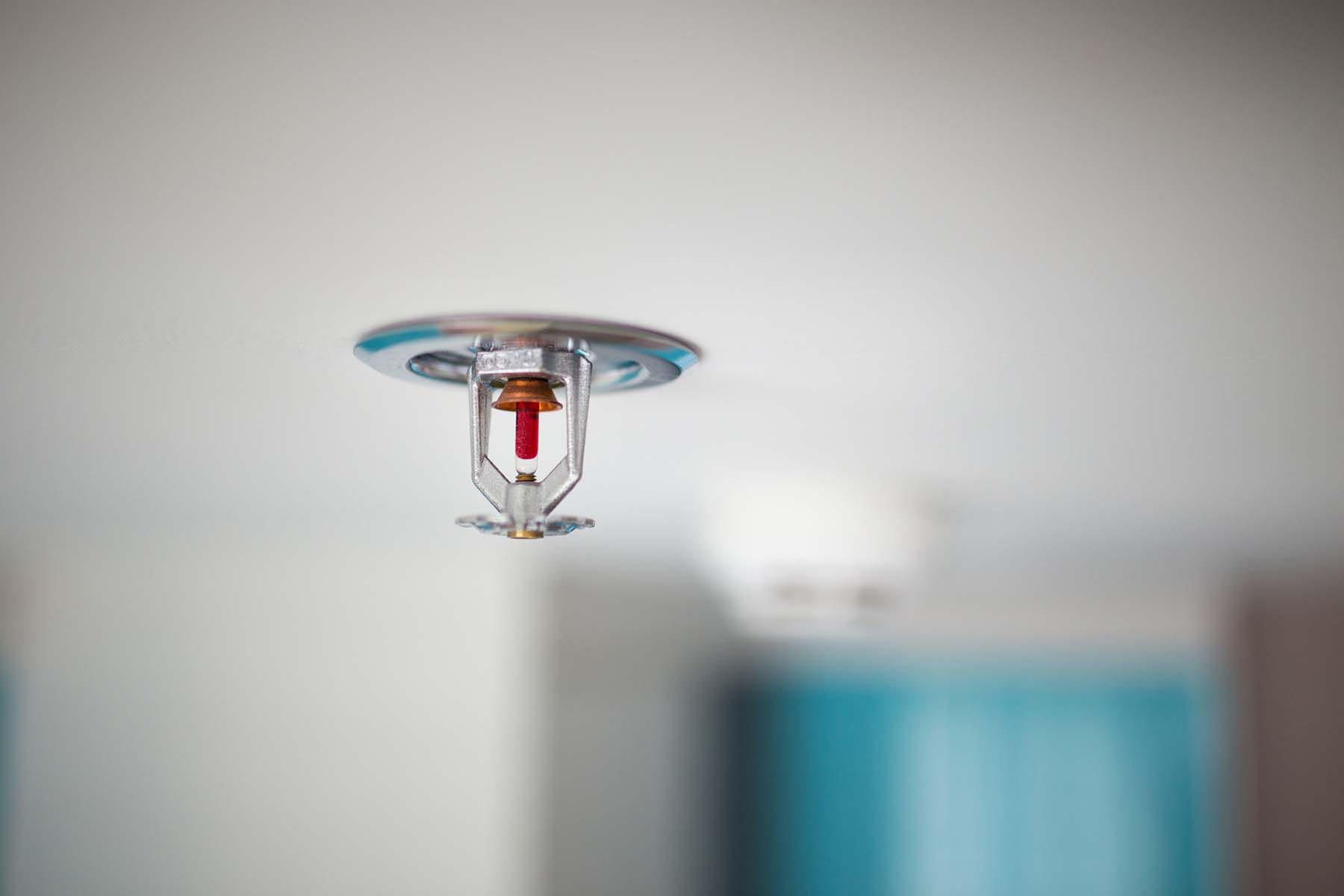
- Engineering
- Enforcement
- Economic incentives
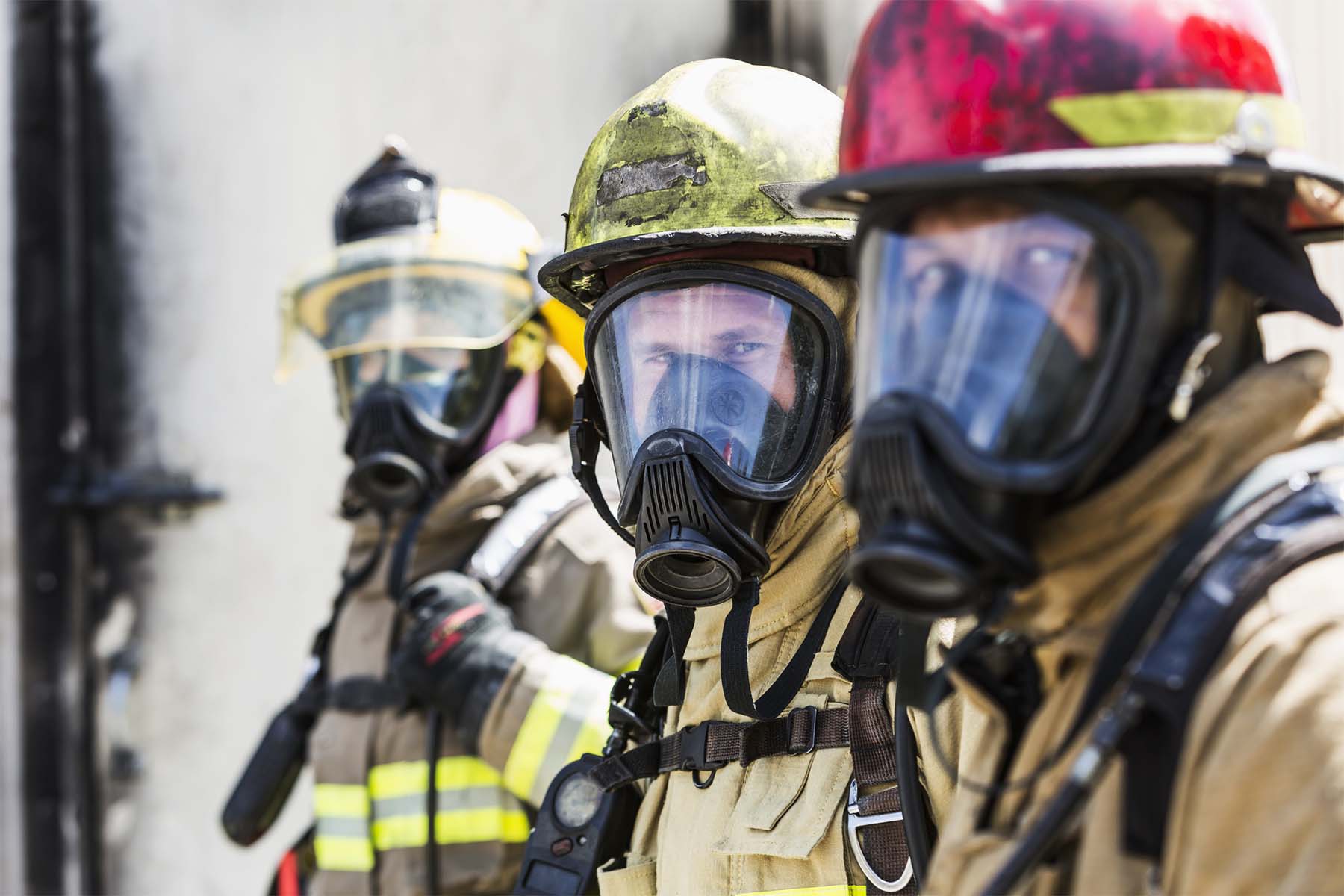
- Emergency response
Community risk reduction
A community risk reduction (CRR) program can help your department take what you already know and lower the risks within your area of operation. CRR uses a wide variety of tools to form a strategic and integrated program focused on reducing the occurrence and impact of local risks.