
Wildfire and the Wildland Urban Interface (WUI)
Explore these resources to help you prepare for a safe wildland fire response and to create and sustain a fire-adapted community.
Fire departments across the country are increasingly being called upon to respond to WUI fires, including brush, grass, forest fires or other outdoor fires. You may believe that you don't have a WUI problem, and that WUI fires only occur in western states, but more than 60,000 communities in the United States are at risk for WUI fires. Source: National Association of State Foresters PDF
Featured resources
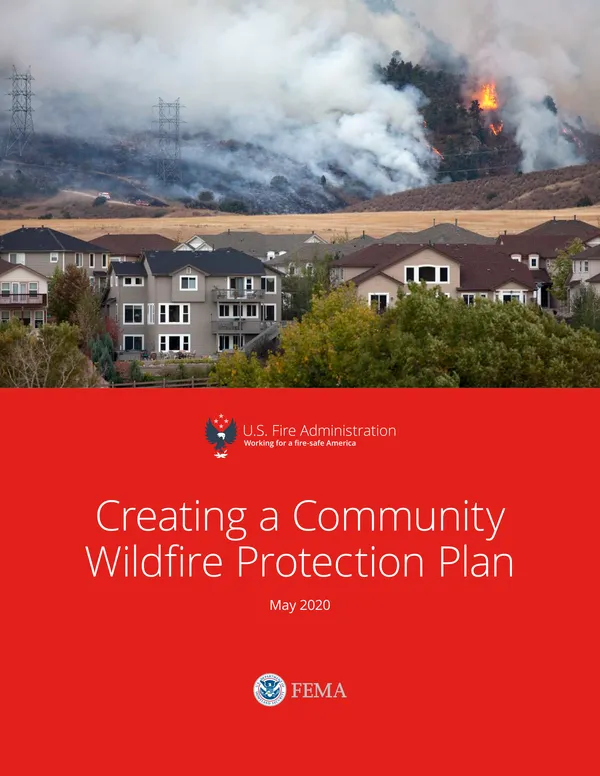
Creating a Community Wildfire Protection Plan
The form-fillable templates in this guide help you to create an action plan for your community and document assets at risk, forest and landscape health issues, and key stakeholders. The guide is available in English and Spanish.
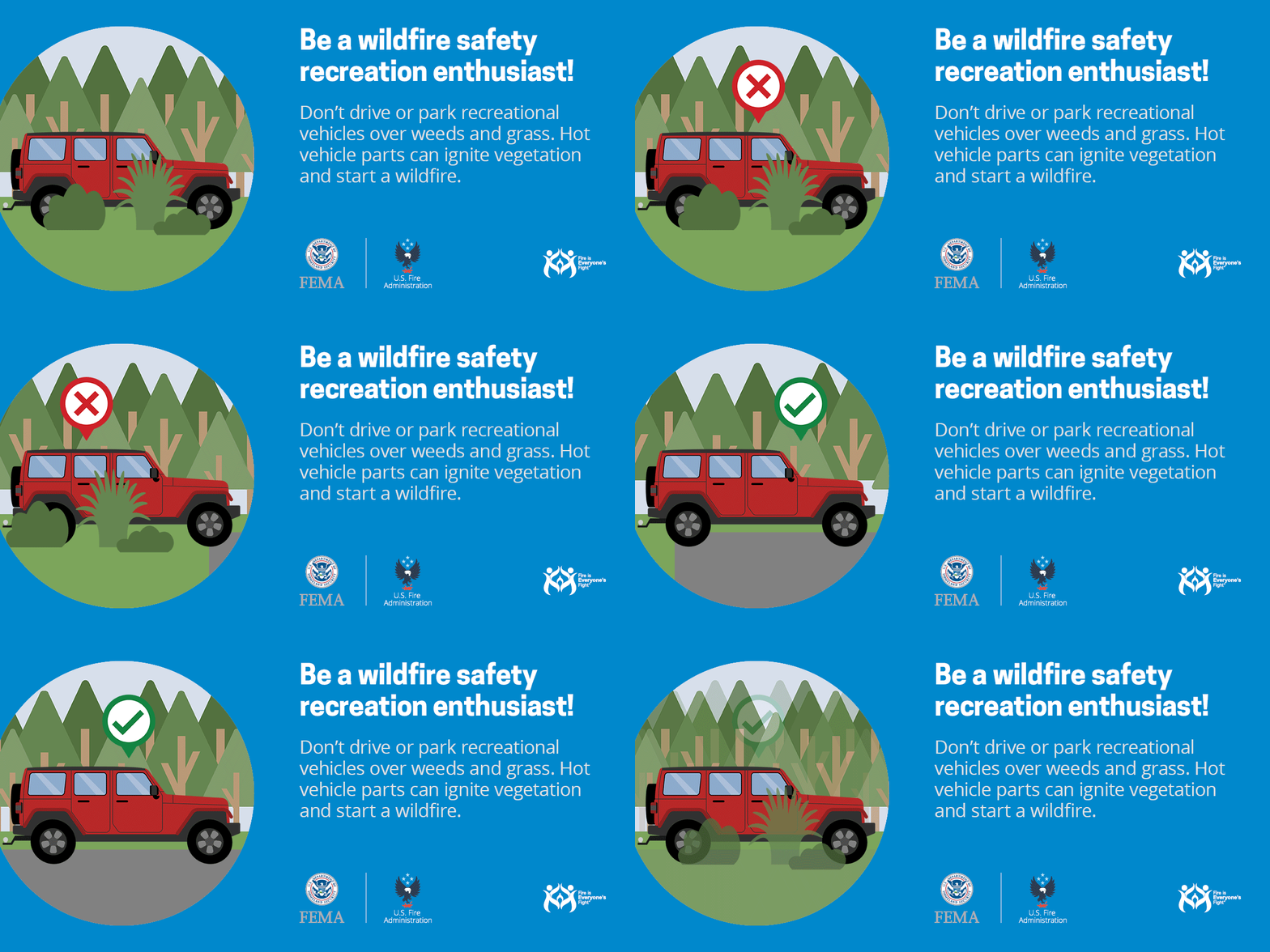
Be a wildfire safety recreation enthusiast
Use these social media cards to share important messages about practicing wildfire safety while taking part in outdoor activities this summer.
Wildland Urban Interface Firefighting for the Structural Company Officer F0610
This 2-day off-campus course covers:
- Introduction to WUI firefighting
- Interface environment
- Wildland fire behavior
- Command and control issues
- Tactics
Check the course schedule for an offering near you.
Wildfire and WUI blog
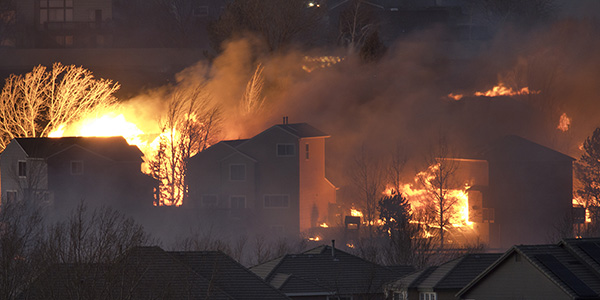
USFA publishes National Wildfire Evacuation Planning Guidance
Read about the wildfire evacuation planning framework created through lessons learned from recent wildfires.
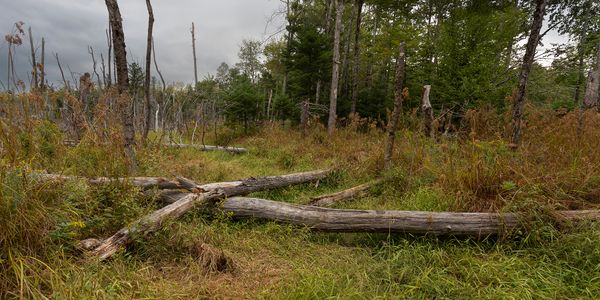
How deadfall from windstorms can affect wildfire behavior
Read the recommendations for emergency responders and land managers to prevent wildfires after windstorms.
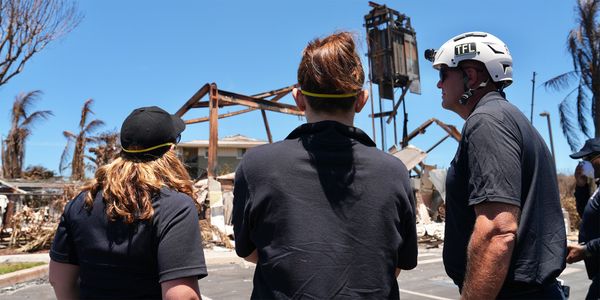
Phase 3 report on Lahaina fire released
Read the latest report that details priorities and recommendations that can begin to be implemented to prevent tragedies in the future.
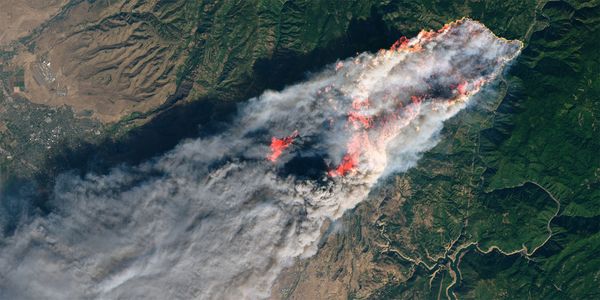
NASA satellite images identify a destructive wildfire metric
Read how University of Colorado research scientists conducted a comprehensive analysis of wildfire behavior.
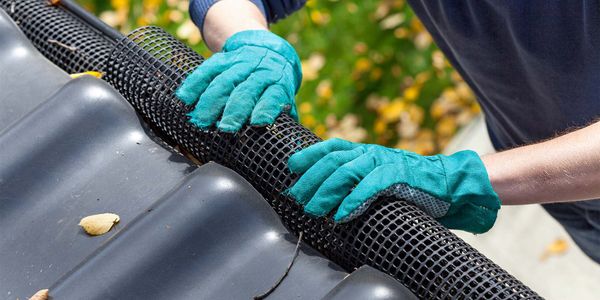
Doing the little things makes a difference in wildfire safety
Learn about simple and low-cost actions that homeowners can take to protect their homes from wildfire.
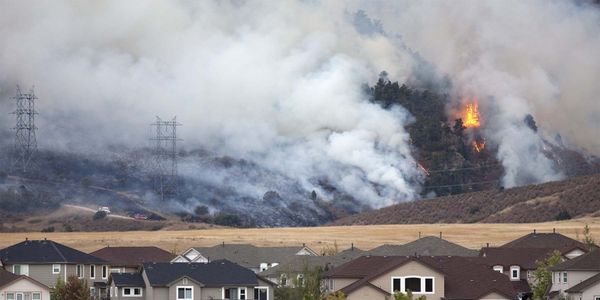
How to create a community wildfire protection plan
Learn about the history behind the development of Community Wildfire Protection Plans (CWPPs), the key components, how a CWPP can benefit a community at risk from wildfire, and how to create a plan for your community.